

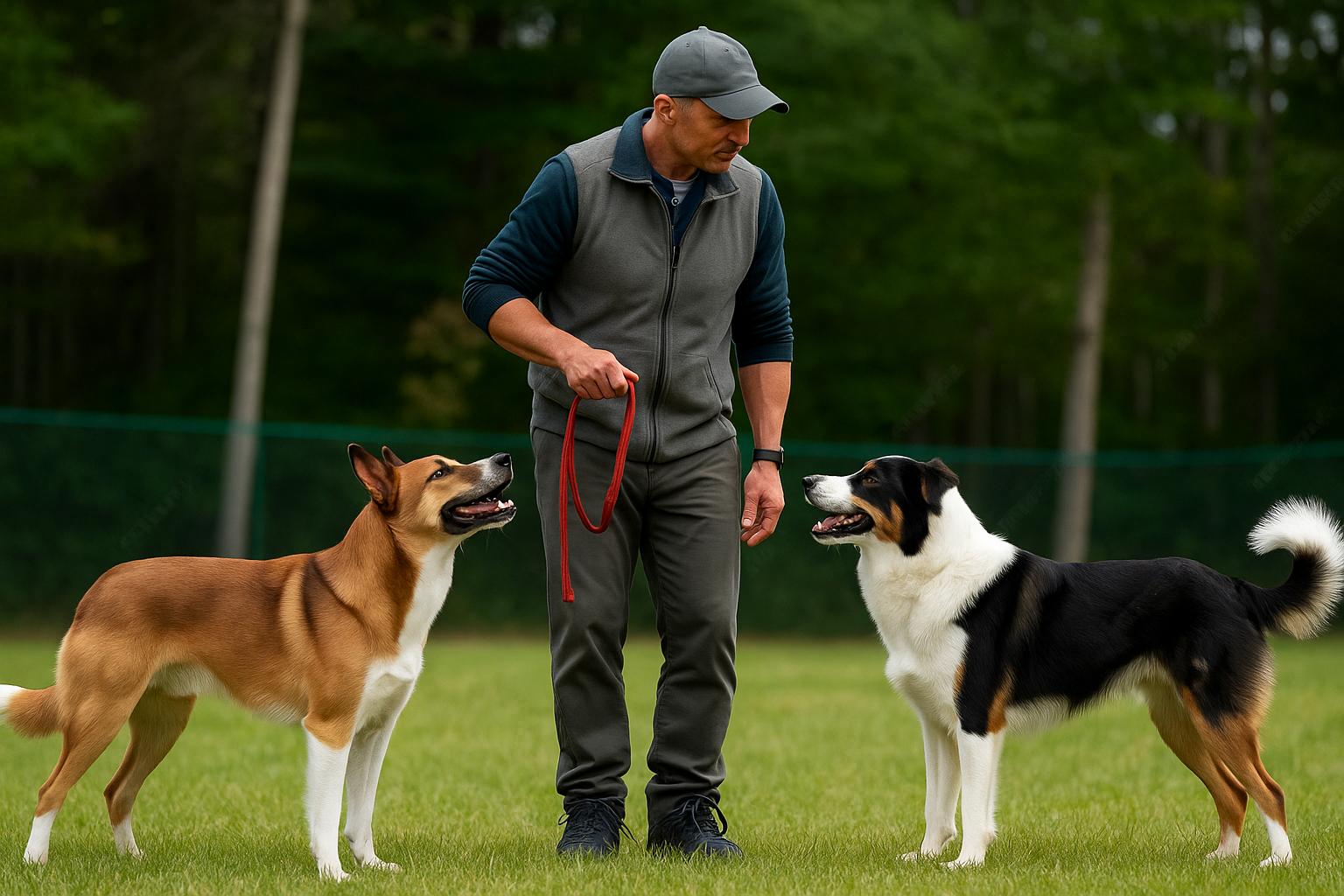
Group dog training sounds hectic at first, right? But soon, things shift. The noise fades, focus grows, and calm fills the space. That’s where the real magic of group dog training happens. Dogs learn to listen, stay patient, and read each other’s energy. Owners pick up timing, confidence, and clear communication. It’s teamwork built step by step. Watching a once-hyper pup sit quietly feels powerful. It’s not just about rules—it’s about trust and balance. Every session builds connection and calm.
This blog will share simple, proven ways to turn group training sessions into calm, rewarding experiences.
-
Secret 1: Keep Composed When Things Get Lively
Dogs notice every mood around them. In group dog training, calm energy spreads fast. When one dog gets restless, others react. A steady tone and relaxed body remind them to slow down. Short pauses between commands help dogs refocus. It’s not about control—it’s about quiet confidence. When trainers stay calm, the whole group settles. That steady rhythm builds trust and keeps learning smooth and natural.
-
Secret 2: Celebrate What Happens Now, Not What’s Past
Timing shapes good habits. During group dog training, a quick reward tells dogs exactly what they did right. Delay it, and the message fades. Reward small wins—a calm sit, patient waiting, or quiet focus. Simple praise, soft words, or a treat keeps attention strong. Dogs learn faster when feedback feels instant. With time, they connect effort to reward, turning small moments into lasting behaviour.
-
Secret 3: Let Dogs Teach Each Other
Dogs often learn best by watching others. In group dog training, they copy calm and confident dogs. When one follows a command, others usually join in. Trainers can use this natural instinct to balance the group. Pairing excitable dogs with calmer ones keeps order. Observing success helps shy or stubborn dogs gain confidence. The group setting becomes its own teacher, shaping progress through quiet imitation and shared focus.
-
Secret 4: Keep Lessons Short but Regular
Dogs lose focus if sessions drag. Short lessons in a group dog training course keep learning sharp and fun. Ten minutes of clear direction works better than an hour of repetition. Consistency matters more than length. Routine practice builds trust and focus over time. End sessions calmly, so dogs finish with a good mindset. That structure turns training into an easy rhythm that fits daily life.
Conclusion
Group dog training transforms chaos into calm teamwork through steady rhythm and shared trust. Each command builds understanding between dogs and handlers. It’s not just about control—it’s about connection. When timing feels right and praise comes quickly, dogs relax and listen. They learn from one another, finding comfort in structure. Over time, their energy evens out, and confidence grows. Those quiet group dog training lessons stretch far beyond class, shaping loyal, balanced pets who thrive at home and everywhere they go.