

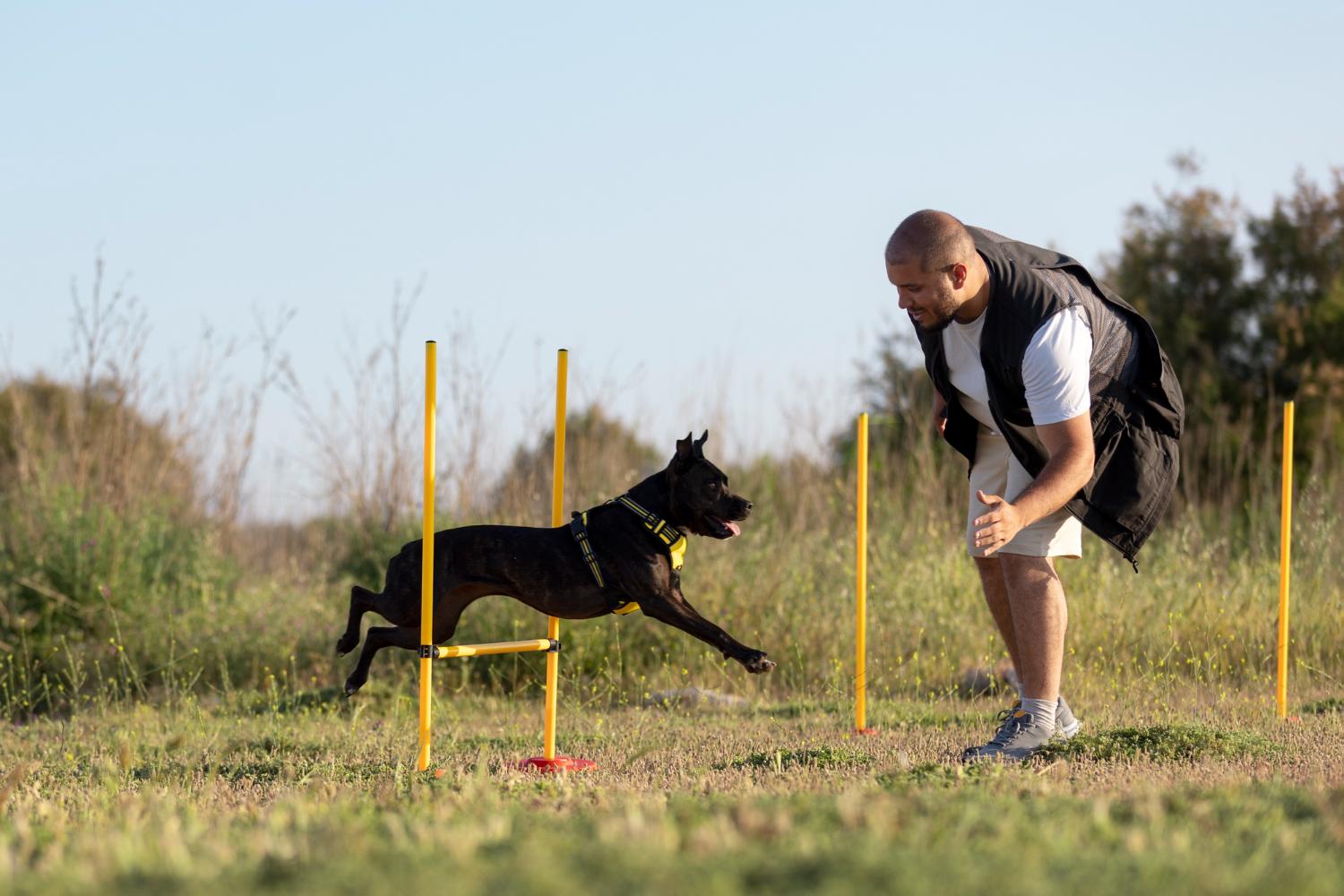
Every pet owner wants a well-behaved dog. Choosing between a dog training school and at-home lessons can feel tricky. Both methods have clear benefits. Both come with drawbacks. The key is figuring out which approach actually works best for the dog—and for the owner.
The Case for Dog Training Schools
A structured dog training school offers professional guidance in a controlled setting. Trainers are experienced, often certified, and know how to handle different temperaments. Dogs also benefit from socialization, learning around distractions, which can be huge for long-term behavior. Group classes usually cost less than private sessions too.
But there are downsides. Classes run on fixed schedules, which can be tough for busy owners. Not every school offers one-on-one attention. Some dogs may also get overwhelmed in group settings, making progress slower.
The Benefits of At-Home Dog Obedience Training
At-home dog obedience training allows flexibility. Sessions can happen anytime. Dogs stay in a familiar environment, which often reduces anxiety. Owners are more directly involved too, reinforcing lessons every day. This method can build a stronger bond between dog and handler.
Still, there are challenges. Without expert supervision, mistakes happen. A command taught the wrong way may need to be unlearned later. Progress can also be slower, especially for stubborn breeds or behavior problems like aggression.
Blended Approaches Work Best
Truth be told, a mix often works. Many owners start at a dog training school for foundation skills, then continue reinforcement at home. This way, dogs benefit from professional structure and consistent daily practice. In fact, studies show dogs trained in combined environments often retain commands longer.
What Really Matters?
After all, no two dogs are the same. Some thrive in busy classrooms. Others shut down. What matters is consistency, patience, and positive reinforcement. Whether in a school or at home, training should feel rewarding for both dog and owner. That’s what makes it stick.
So, which is better? Both methods have value. Dog obedience training at home is flexible and personal. A dog training school brings structure and professional oversight. The best choice depends on lifestyle, budget, and the dog’s temperament. Either way, the goal remains the same—a happy, obedient, and well-adjusted companion.